Fresh food
Table eggs, vegetables, herbs and mushrooms for potential household, hospitality and trade markets.
Food & farmers
Farmers and landowners are central to the vision: practical local production, appropriate technology and stronger connections to buyers.
Farms and local food
Follow the food story from suitable growing conditions to harvest, shared services and qualified buyers.
Explore the farmer pathwayAn illustrated food-and-farming story. Production and supply pathways are proposed.
All seven visual storiesFrom soil care to crops and eggs, then the practical work after harvest. Three chapters explain why local production also needs grading, cooling, packing and dependable routes to market. Choose play to begin this silent visual story.
Choose a chapter to pause and explore. Use the player to continue.
The egg and farmer programme remains part of Sey Circular Biosphere’s future.
Earlier plans focused on partner farms, laying hens, controlled-environment fodder and value-added egg products. The newer circular-island programme places that work alongside regenerative crops, soil inputs, shared services and local protein systems.
Participation would begin with individual assessment. Farm suitability, costs, training, finance, animal welfare and buyer arrangements need to be agreed before a project proceeds.
A planning target in the current programme. This is not a count of operating partner farms.
The wider ambition is to expand a demonstrated model over time. There are no guaranteed farmer-income or buy-back commitments on this website.
For farmers & landowners
Good farming partnerships begin with a practical question: what can this particular site support, and what would it take to operate it well?
Start with location, land access, current use, water, electricity and road access. Discuss your experience, available time and farming goals. A crop, fodder or laying-hen proposal needs its own assessment; one model will not suit every property.
The first outputA clear picture of the site and its constraints.
Match the system to realistic production, operating costs and customer demand. Examine finance, maintenance, labour and downside scenarios before committing to equipment. Funding applications would need assessment by the relevant lender or funder.
The next decisionWhether a site-specific plan is worth advancing.
Set out training, daily work, technical support and collection arrangements. Establish permissions and signed commercial terms, including quality requirements, pricing and payment. For laying hens, address veterinary care, feed, housing and welfare before installation.
Before commitmentDefined obligations, suitable finance and required permissions.
Once an agreed project can proceed, prepare for installation, training and monitored operation. Keep records of inputs, output quality, costs and collections. Use real performance to improve the model before considering expansion.
During operationEvidence of what works—not assumptions about scale.
This is a proposed partnership pathway, not an open job offer, automatic farm acceptance or a guarantee of income, finance or product buy-back.
Discuss your land or experienceYour island and approximate location, current land use, access to water and power, farming experience and the type of project you want to explore. A short introduction is enough to begin; arrange a suitable private channel before sending land-title documents or personal financial information.
Development framework · September 2026 source plan
A closer look at the technology
Examples from the programme’s original materials help explain the technologies being considered. Their suitability for Seychelles must be demonstrated.
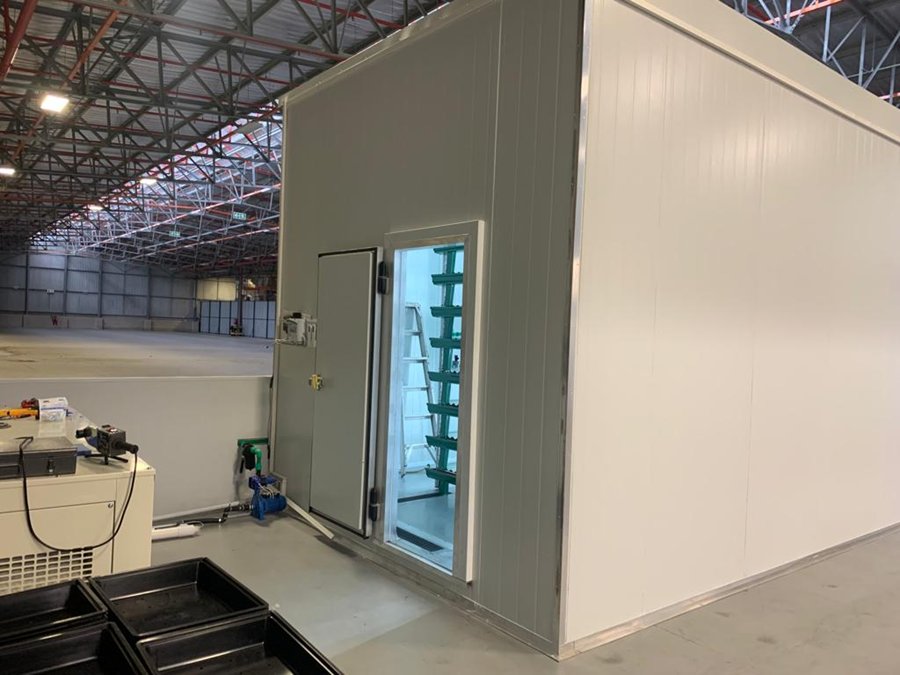
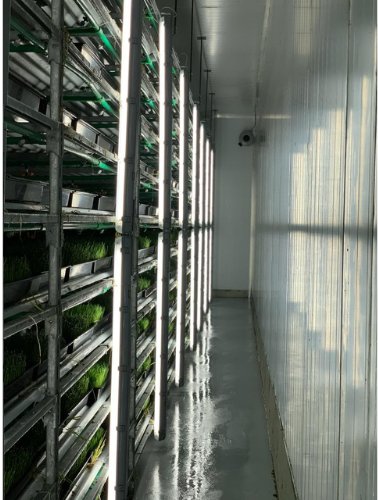
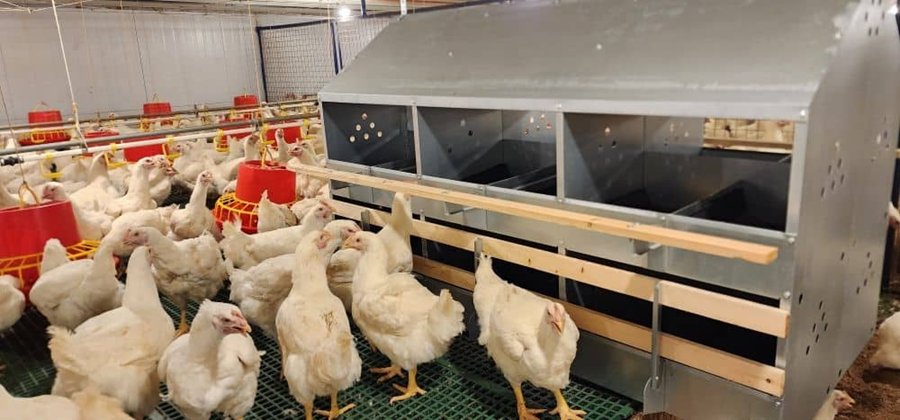
Illustrative technology examples from the original project website. These are not photographs of operating Seychelles installations.
Food, ingredients and useful co-products
Table eggs, vegetables, herbs and mushrooms for potential household, hospitality and trade markets.
Liquid whole egg, egg whites and scrambled egg mix for professional food preparation, subject to validation.
Eggshell membrane and calcium materials for suitable, approved applications, with quality and safety evidence.
An invitation to collaborate
Tell us where you could fit within the proposed food and farming programme.